



















SIL Home Inspection Checklist: 6 Questions to Ask Before You Move
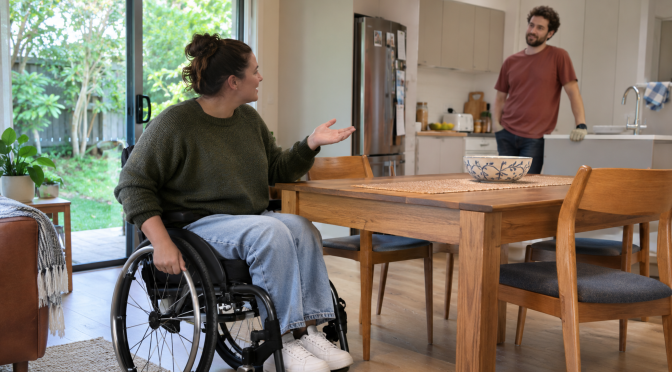
If you like breakfast at nine, could someone help you make it then? If you called for help in the middle of the night, who would answer? A SIL home inspection is your chance to ask someone to walk you through an ordinary day in a home you’re thinking of sharing.
In Australia, supported independent living (SIL) is NDIS funding for help or supervision with daily tasks at home, such as showering, getting dressed or preparing a meal. You pay separately for everyday living costs such as rent, groceries and household bills. Read the NDIS guide to supported independent living. NDIS
Before you visit
Write down what matters most to you. That might be a quiet bedroom, enough space to turn your wheelchair in the bathroom, or an easy trip to see family. Check the journey using the transport you usually take.
When you book, tell the provider if you need help communicating or getting around during the visit. You can also bring someone you trust to take notes so you can focus on the conversation.
Six questions to take with you
1. Who would I live with?
Ask how housemates are matched and whether you can meet the people you might share the home with. If they’re happy to chat, try asking, “What’s it usually like here after dinner?” Their answers can tell you about noise, visitors and how people use the kitchen and lounge.
Ask how everyone gets a say when their plans differ. If you want a quiet evening and someone else wants friends over, how would you work that out? Who could you talk to if sharing the home stopped working for you?
2. How much privacy would I have?
Spend a moment in the bedroom you’re being shown and listen. Can you hear conversations from the lounge? Is there somewhere you could take a private call or sit with a visitor?
Ask which bathroom you would use and where you could keep personal items. If someone helps you wash or dress, check whether there’s room for both of you with the door closed. Ask staff directly, “How would you check it’s OK to come into my room?”
3. Could I keep my usual routine?
Pick one part of your day that you want to keep. Be specific. “I like to shower in the morning and have breakfast at nine. If my housemates have already eaten, who could help me prepare mine?”
Talk through a favourite meal, a custom you follow or an activity you want to keep doing. Ask the provider to show you how it would fit into a usual week. You can then judge whether the proposed support works for you.
4. Who would support me during the day?
Ask to see a typical staff roster. Choose a time when you usually need help and ask the provider to walk you through it.
- Would I have one-to-one support then, or would I share a worker?
- What happens if a housemate needs help at the same time?
- What training do workers have for the tasks I need help with?
- Who covers the shift if my usual worker is sick?
- How do these hours match the support in my NDIS plan?
5. How would I get help at night?
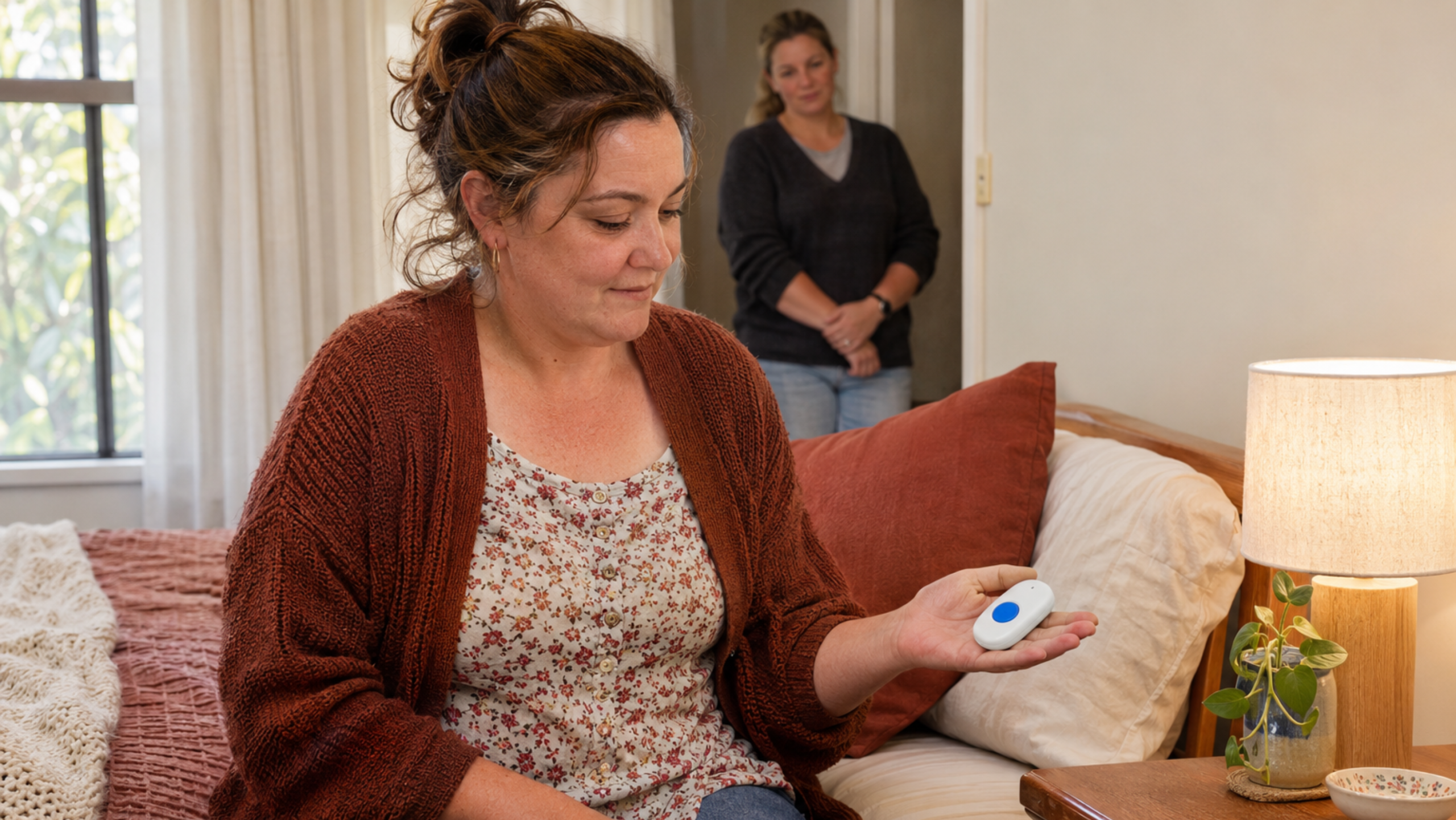
Start in the bedroom. Ask someone to show you how you would call for help from bed. Find out who would answer and what would happen if that worker was already helping a housemate.
Ask which overnight arrangement the provider proposes for you. On a sleepover, the worker can sleep on site. NDIS pricing allows for up to two hours of active help during the sleepover if needed. With active overnight support, the worker stays awake to provide help. Ask who you would speak to if you began needing help more often. Read the NDIS Commission’s guide to sleepover shifts. NDIS Quality and Safeguards Commission
6. What would I pay from my own money?
Ask for two written lists to take home. One should show the support the provider plans to charge to your NDIS funding. The other should show your own costs. Rent, groceries and ordinary household bills sit outside SIL funding. See which costs SIL covers. NDIS
On your own costs list, ask the provider to separate regular payments from upfront costs, such as a bond or moving expenses. If housemates share groceries or utilities, ask, “What would my share usually be, and how do you work it out?” That gives you a figure you can compare with the next home you visit.
After the visit: your home comparison checklist
Use one copy per home. For each row, write suits me, doesn’t suit me or need to check. Leave yourself a specific note. “The bedroom was quiet this morning. Could I visit after dinner?” gives you something to follow up.
Home visited: ____________________ Date: ____________________
| What matters to me | My rating | What I learned or still want to ask |
|---|---|---|
| Housemates, visitors and shared spaces | ||
| Bedroom and bathroom privacy | ||
| Meals, routines and activities | ||
| Daytime staff and one-to-one support | ||
| Getting help at night | ||
| My regular payments and upfront costs |
If an answer matters to your decision, follow up or arrange a second visit. Before you agree to move, read the proposed housing and service agreements alongside the written costs. Check the support hours, charges, notice periods and steps for moving out. Make sure you know who to call about a repair and who to speak to about your support.
Arrange a SIL home visit
Looking for a home in Sydney, Melbourne or on the Central Coast? Seed Disability Services can help you arrange a visit and can also assist with applications and moving in. Explore Seed’s supported independent living options.
Tell the team which area you’re considering and what you’d like to check in person. Contact Seed to arrange a visit.